









Slip Sheets: The Smarter Alternative to Wooden Pallets
In modern logistics, companies are under constant pressure to move goods faster, reduce costs, and operate more sustainably. One solution that continues to gain popularity is the use of slip sheets. These thin pallet-sized sheets are changing the way products are shipped and handled worldwide.
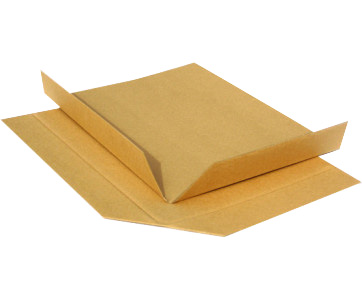
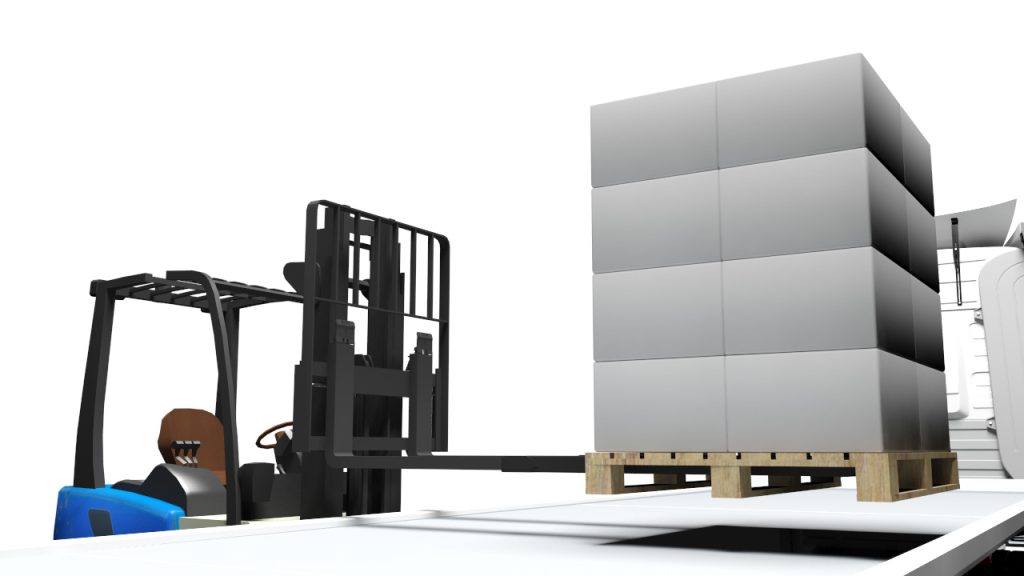
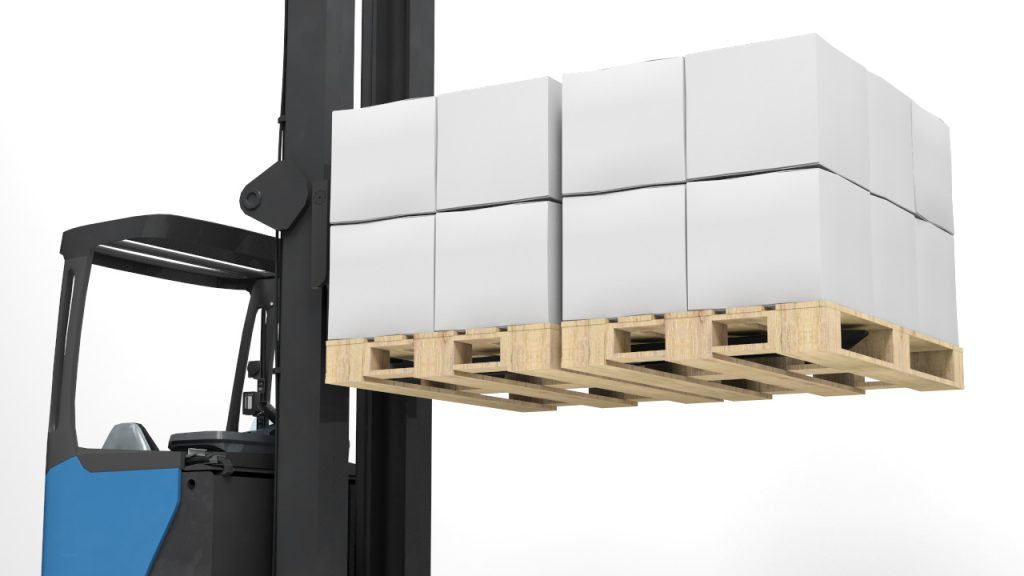
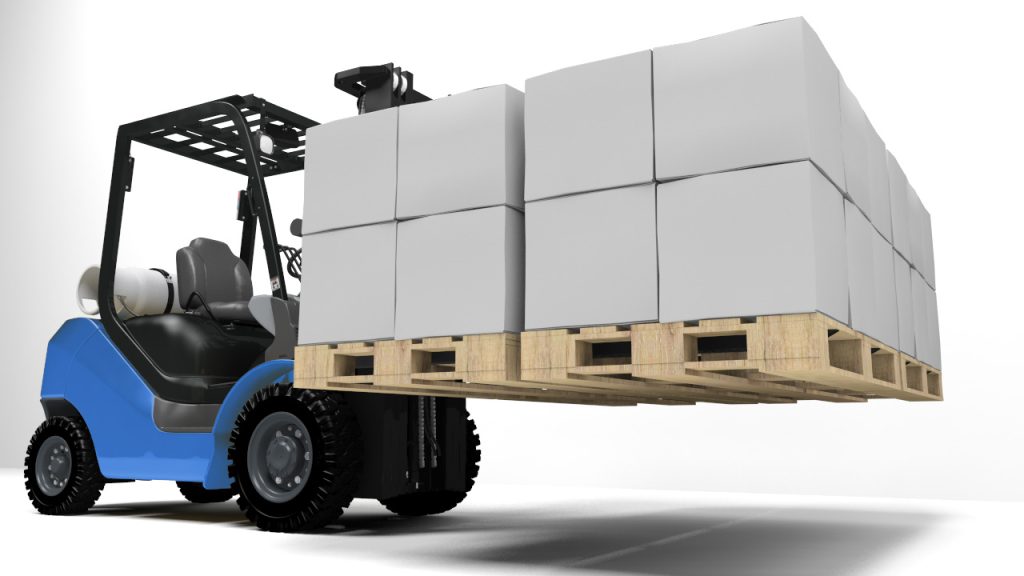
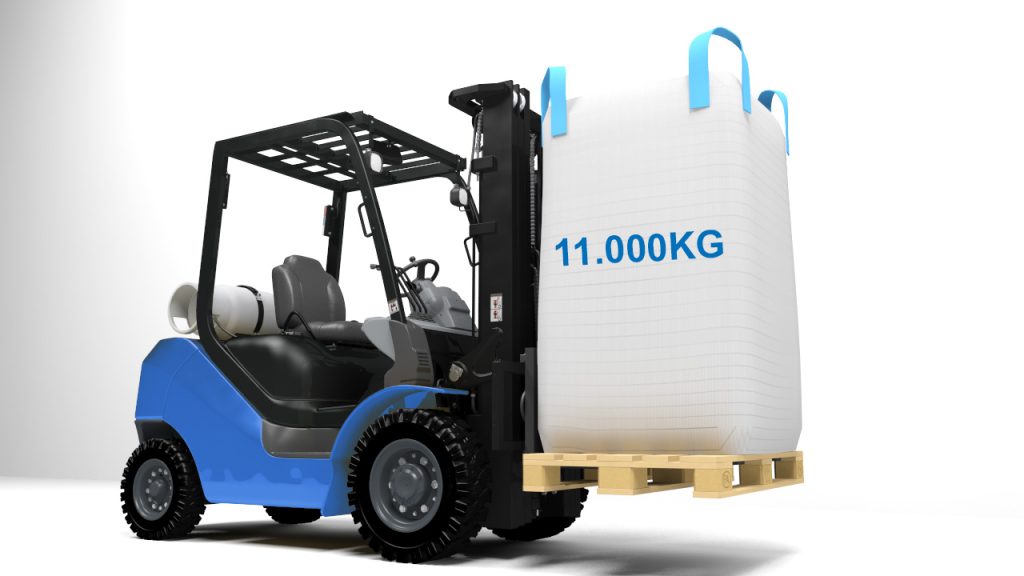
Slip sheets are made from plastic, laminated kraft paper, or corrugated fiberboard. Instead of placing goods on a traditional wooden pallet, products are secured directly onto the slip sheet using stretch or shrink wrap. This creates a stable unit load that can be handled efficiently with the right forklift attachment.
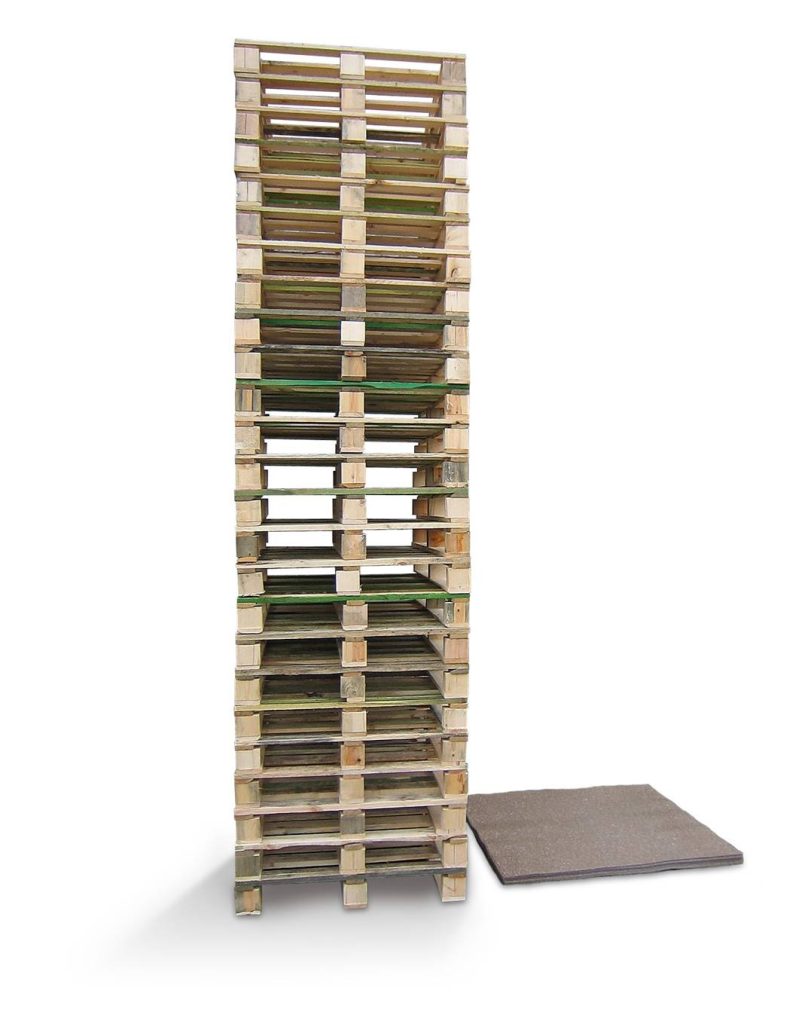
One of the biggest advantages of slip sheets is space efficiency. Because they are much thinner than wooden pallets, companies can fit 12–15% more products into containers and trailers. That means fewer shipments, lower transport costs, and better use of available space.
Weight reduction is another major benefit. Slip sheets weigh up to 20 times less than wooden pallets, helping to reduce fuel consumption and CO₂ emissions. For companies focused on sustainability, this is a major step forward. Many slip sheets are now produced from recycled materials and are fully recyclable, making them an environmentally responsible choice.
From a cost perspective, slip sheets also make sense. Wooden pallets require maintenance, repairs, and often pallet exchange programs. Slip sheets, on the other hand, are inexpensive to replace and require no maintenance at all. This results in significantly lower long-term handling costs.
Slip sheets also improve loading and unloading speed. When used with the right equipment, handling times can be reduced by up to 60%, helping companies increase productivity and improve turnaround times.
How are slip sheets handled?
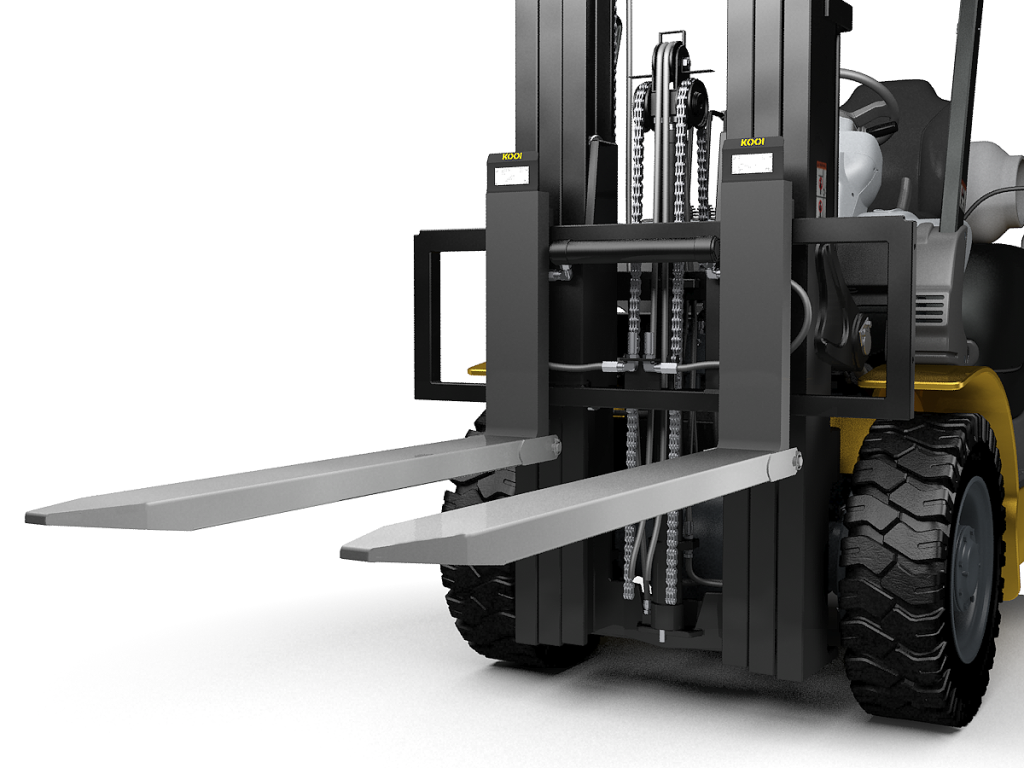
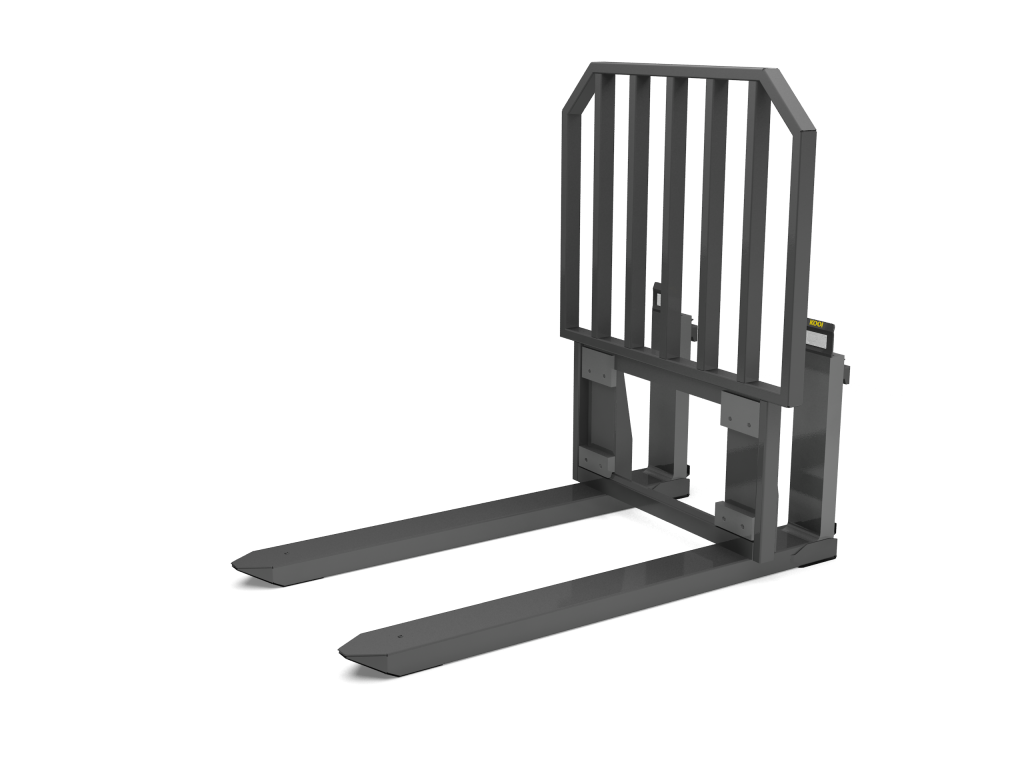
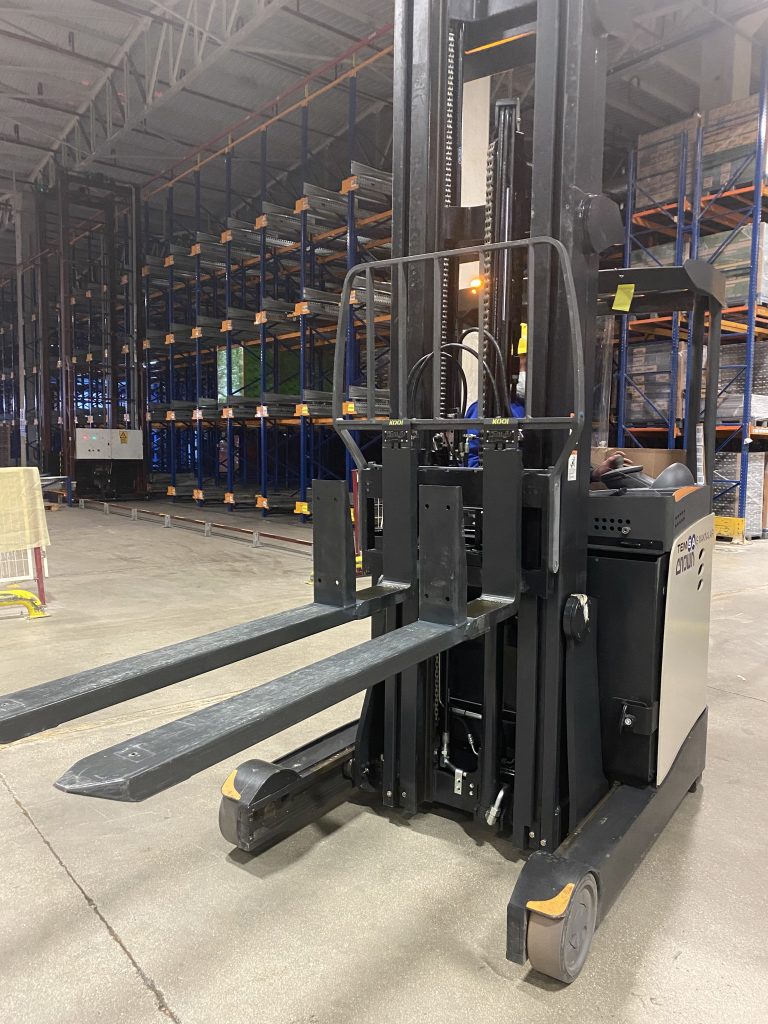
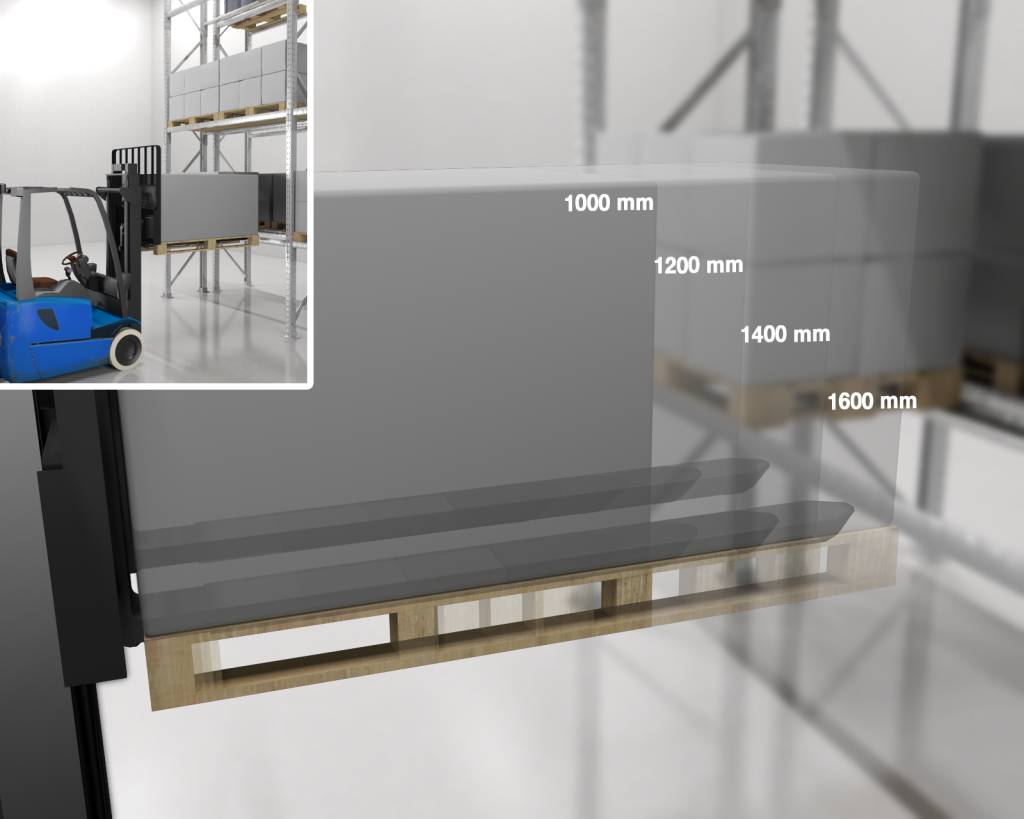
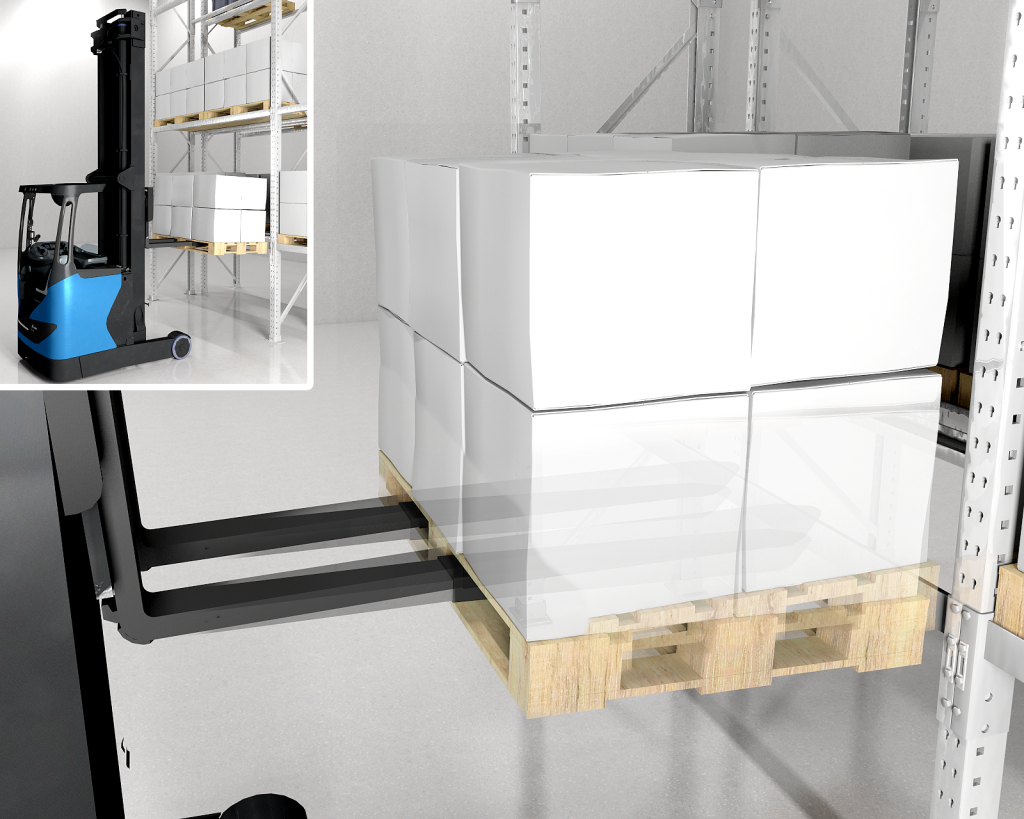
Because slip sheets do not have openings for forklift forks, special attachments are required. The two most common solutions are push/pull attachments and RollerForks®.
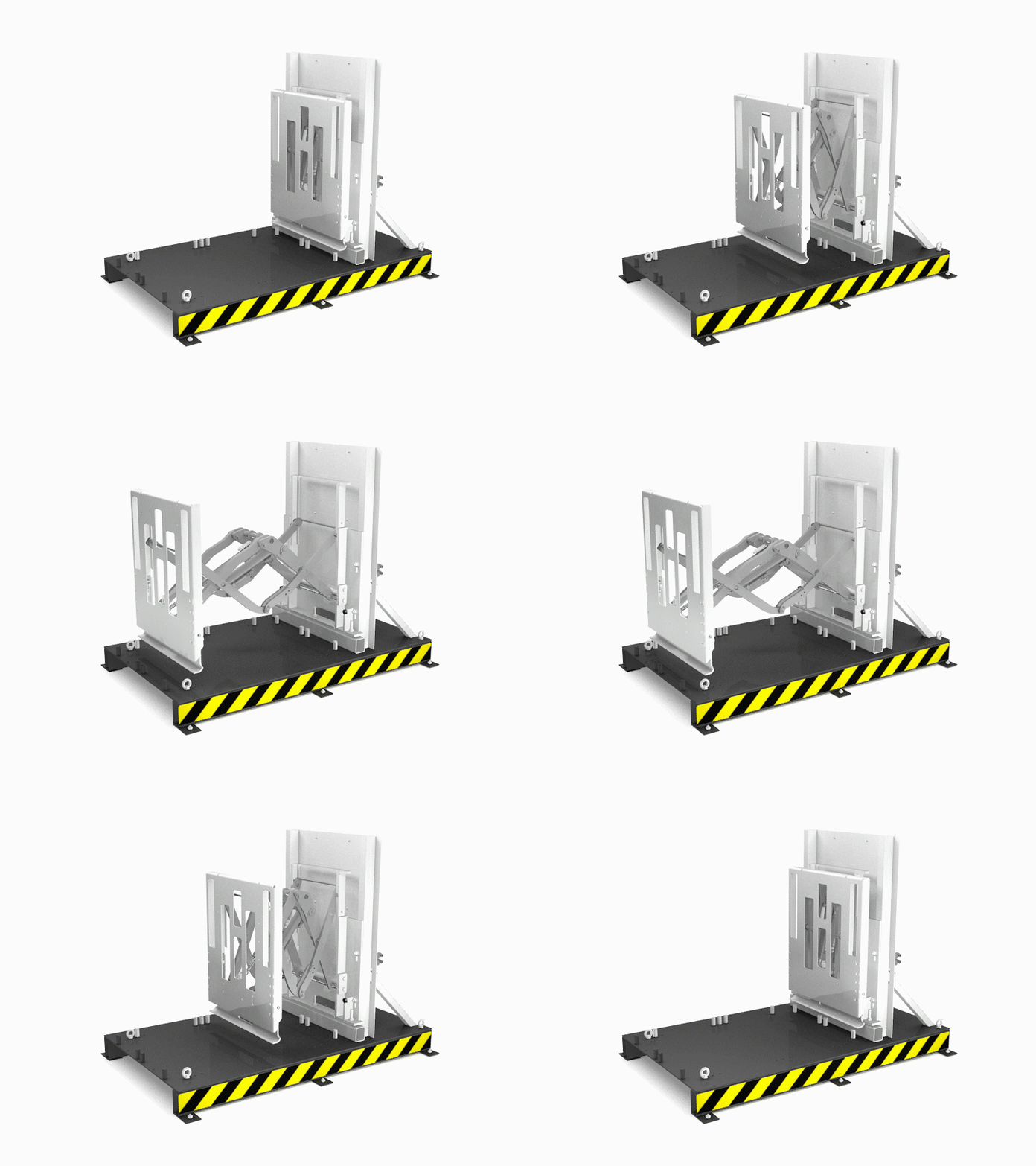
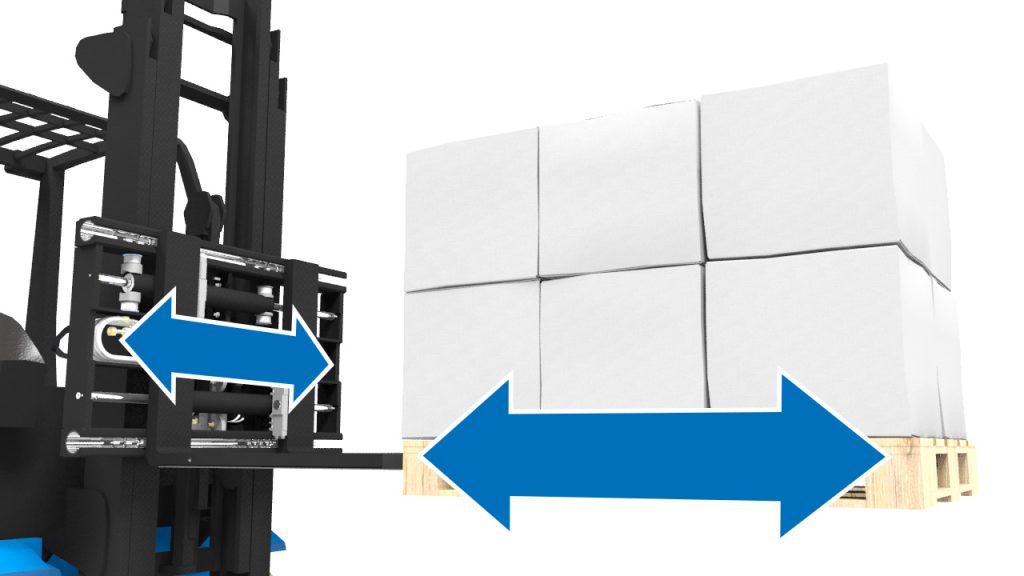
Push/pull systems use hydraulics to clamp onto the lip of the slip sheet and pull the load onto the forks. While effective, these systems are expensive, require maintenance, and carry a risk of hydraulic oil leakage.
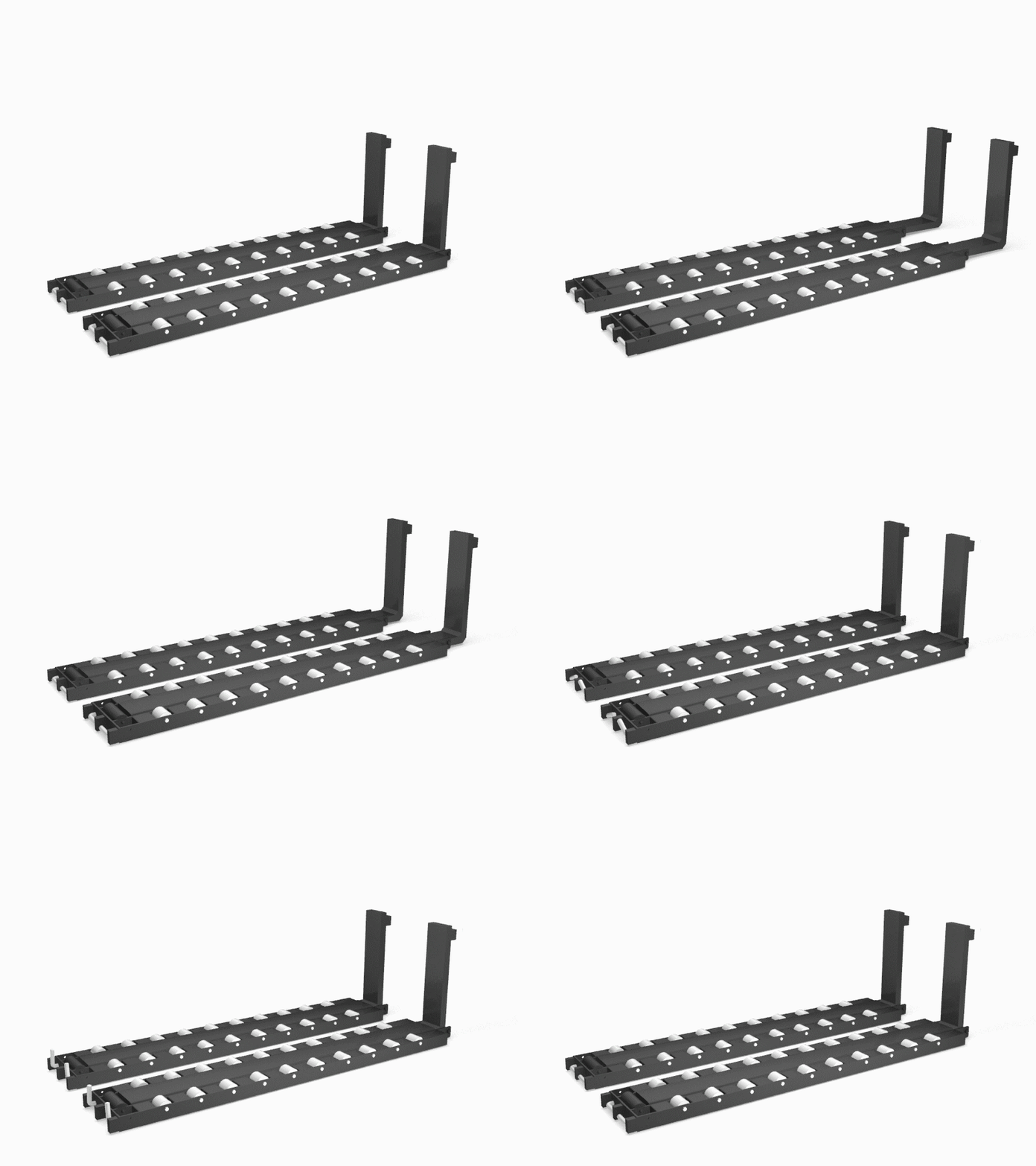
RollerForks®, on the other hand, offer a fully mechanical alternative. Built-in rollers allow the forks to glide smoothly under the slip sheet without clamping or stopping. This results in faster handling, better visibility for the driver, and no risk of oil contamination. For many operations, this makes RollerForks® the preferred solution.
RollerForks® and Rollerized Tine Extenders: Two smart solutions
Meijer Handling Solutions has expanded its palletless handling portfolio with two innovative products: RollerForks® and Rollerized Tine Extenders (RTEs).
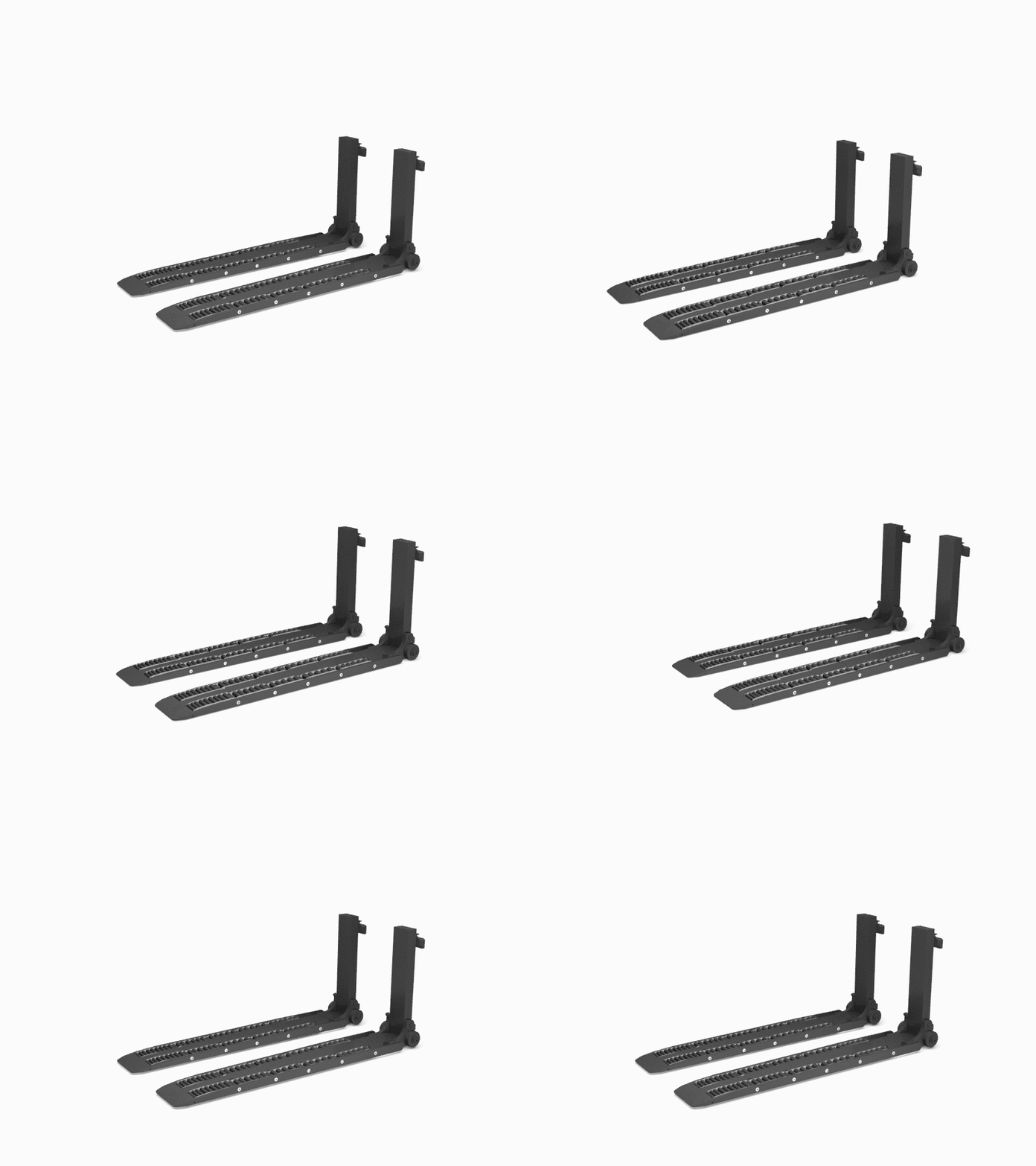
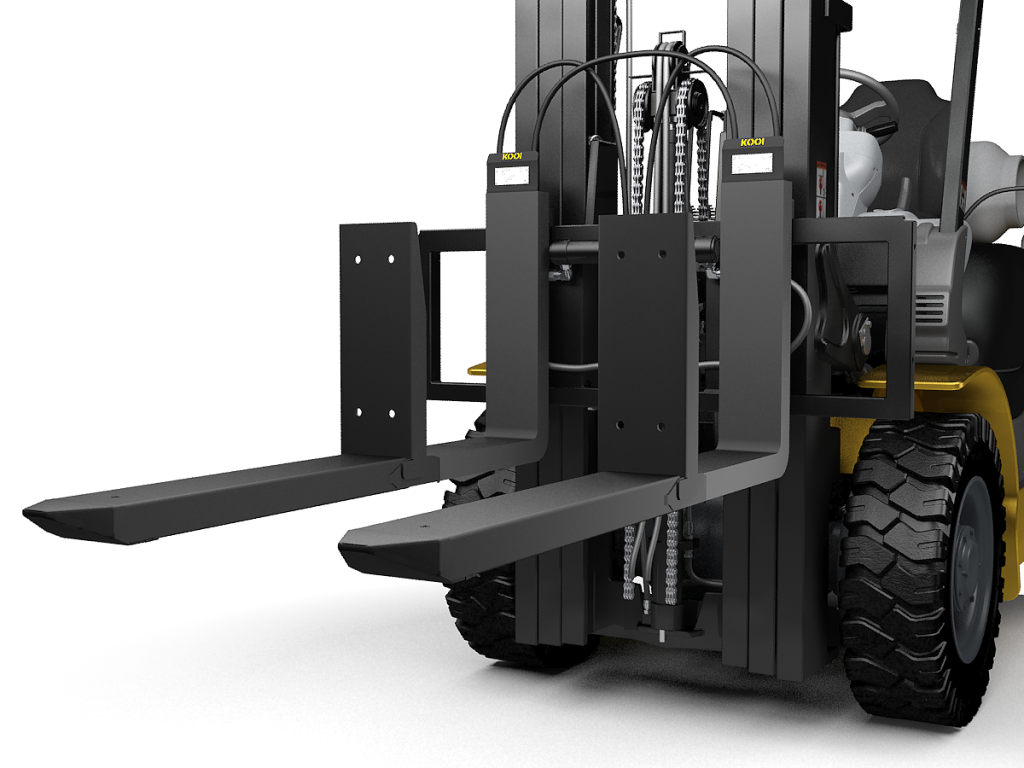
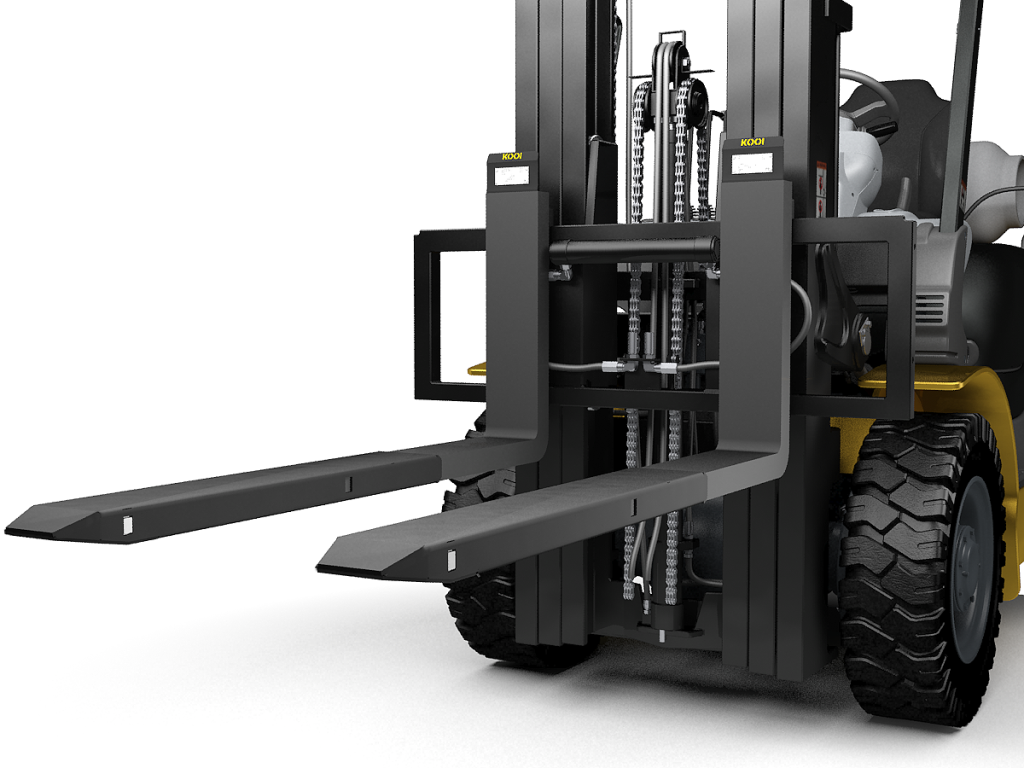
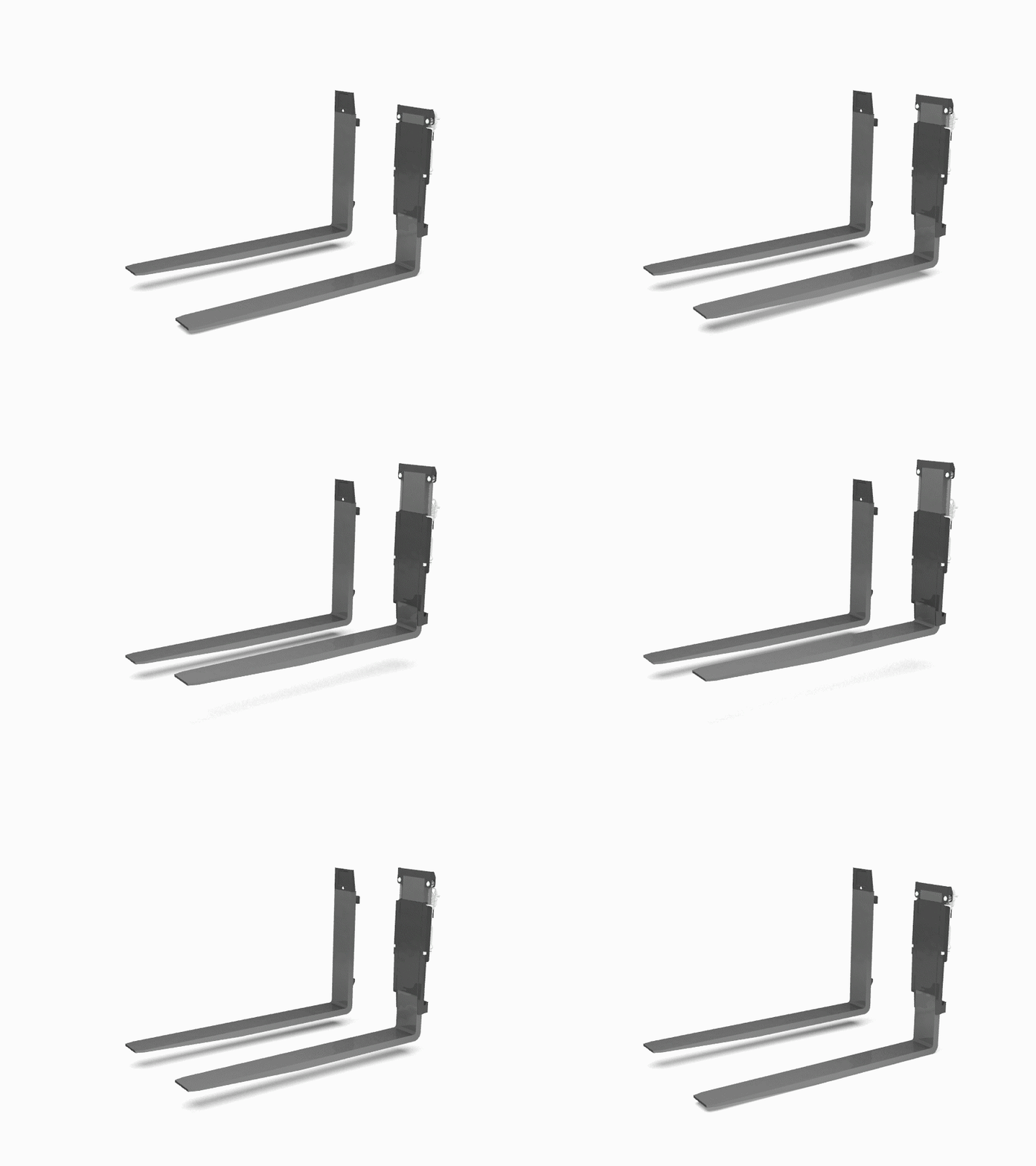
RollerForks® are permanent forklift forks with integrated roller cartridges. When the rollers touch the floor or pallet, they rotate in opposite directions, allowing the forks to slide under slip sheet loads smoothly. Once lifted, the rollers retract, and the load rests securely on the solid fork surface. This gives drivers the same stability as standard forks, but with the added ability to handle slip sheets quickly and safely.
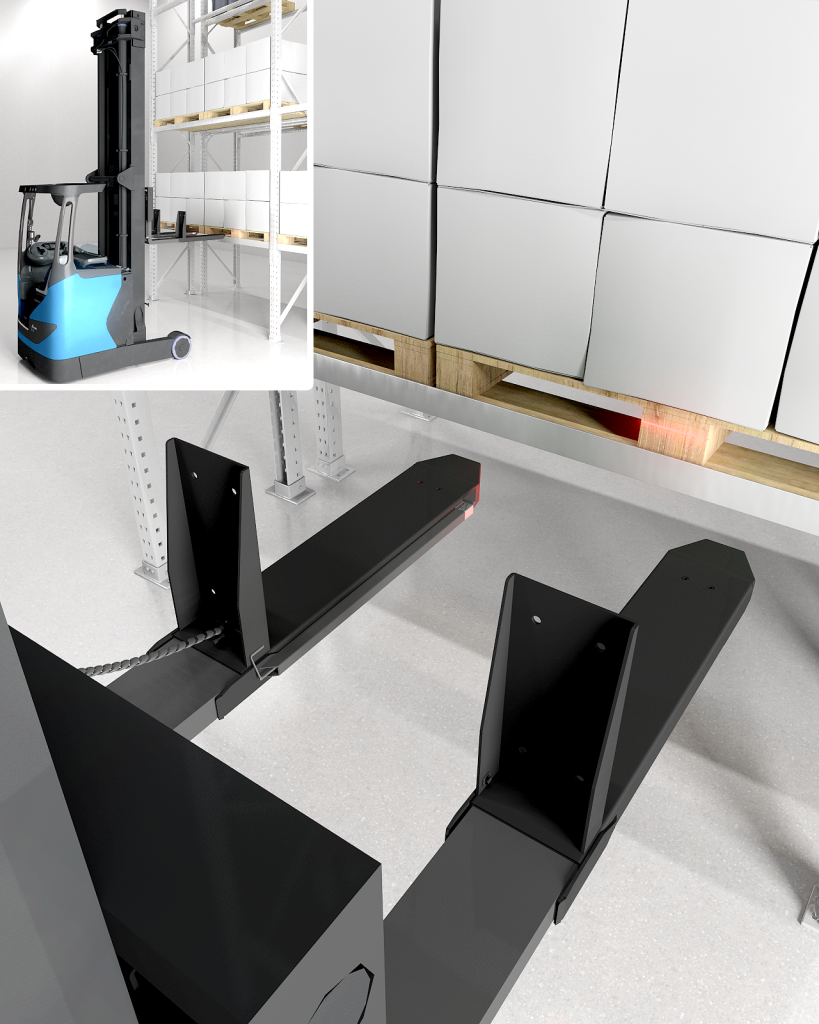
Rollerized Tine Extenders (RTEs) are detachable sleeves that slide onto standard forks. They are specifically designed for handling air freight pallets such as 463L and HCU-6/E units. These extenders turn regular forks into rolling platforms, making them ideal for airport and military logistics. Like RollerForks®, RTEs are fully mechanical, eliminating hydraulic risks while offering fast and precise load handling.
Both solutions reflect Meijer Handling Solutions’ focus on safety, speed, and reliability in palletless logistics.