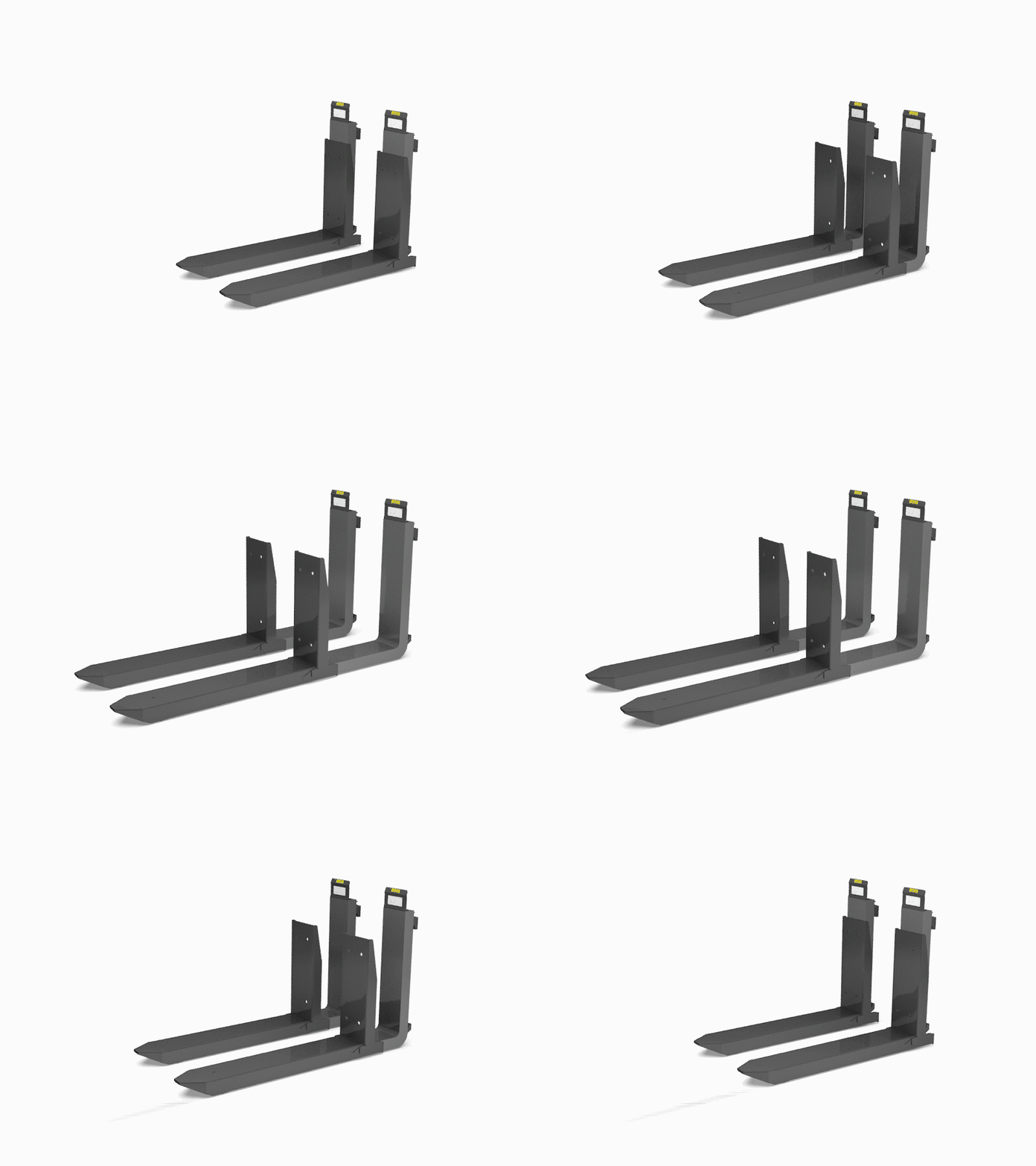
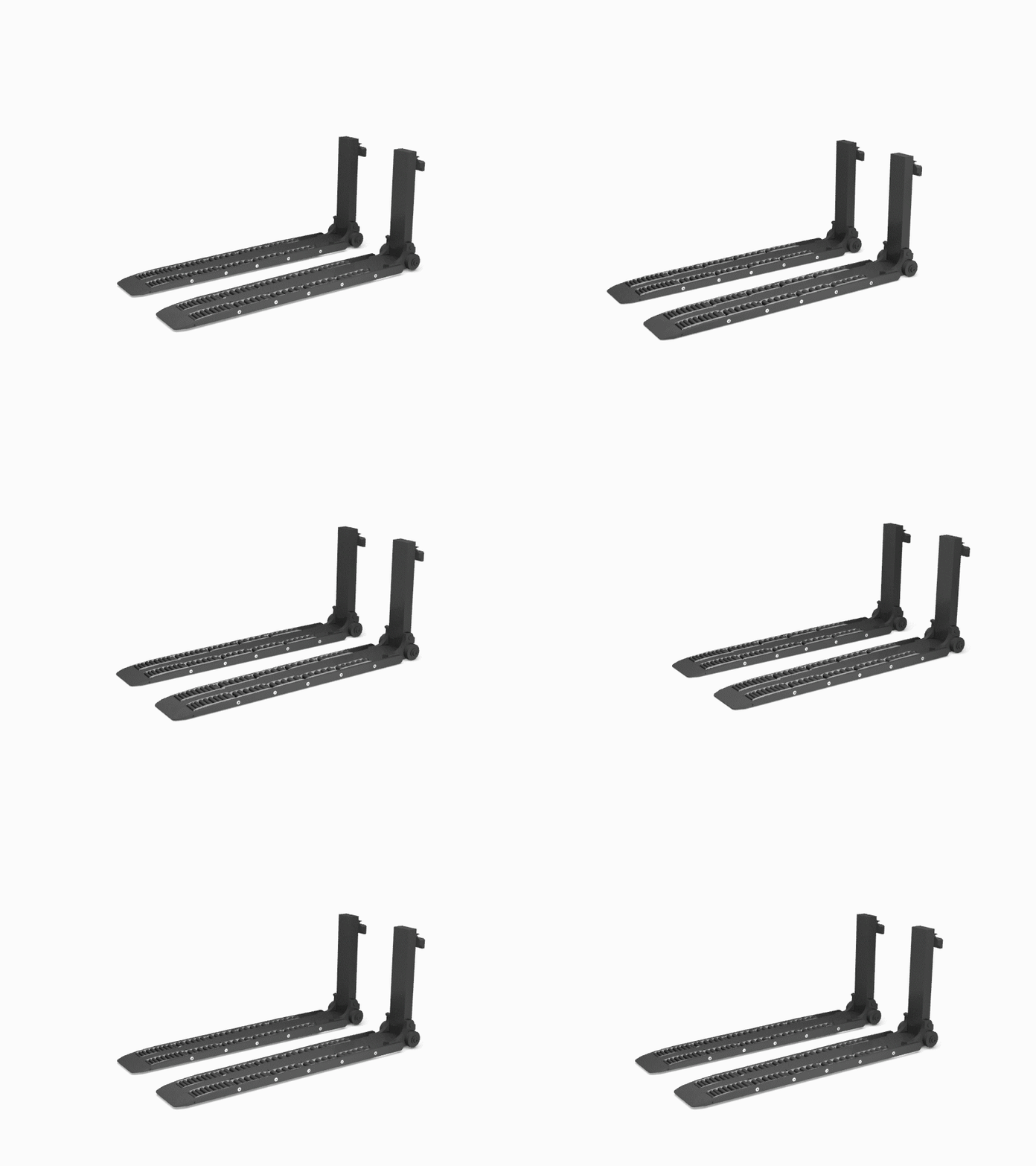
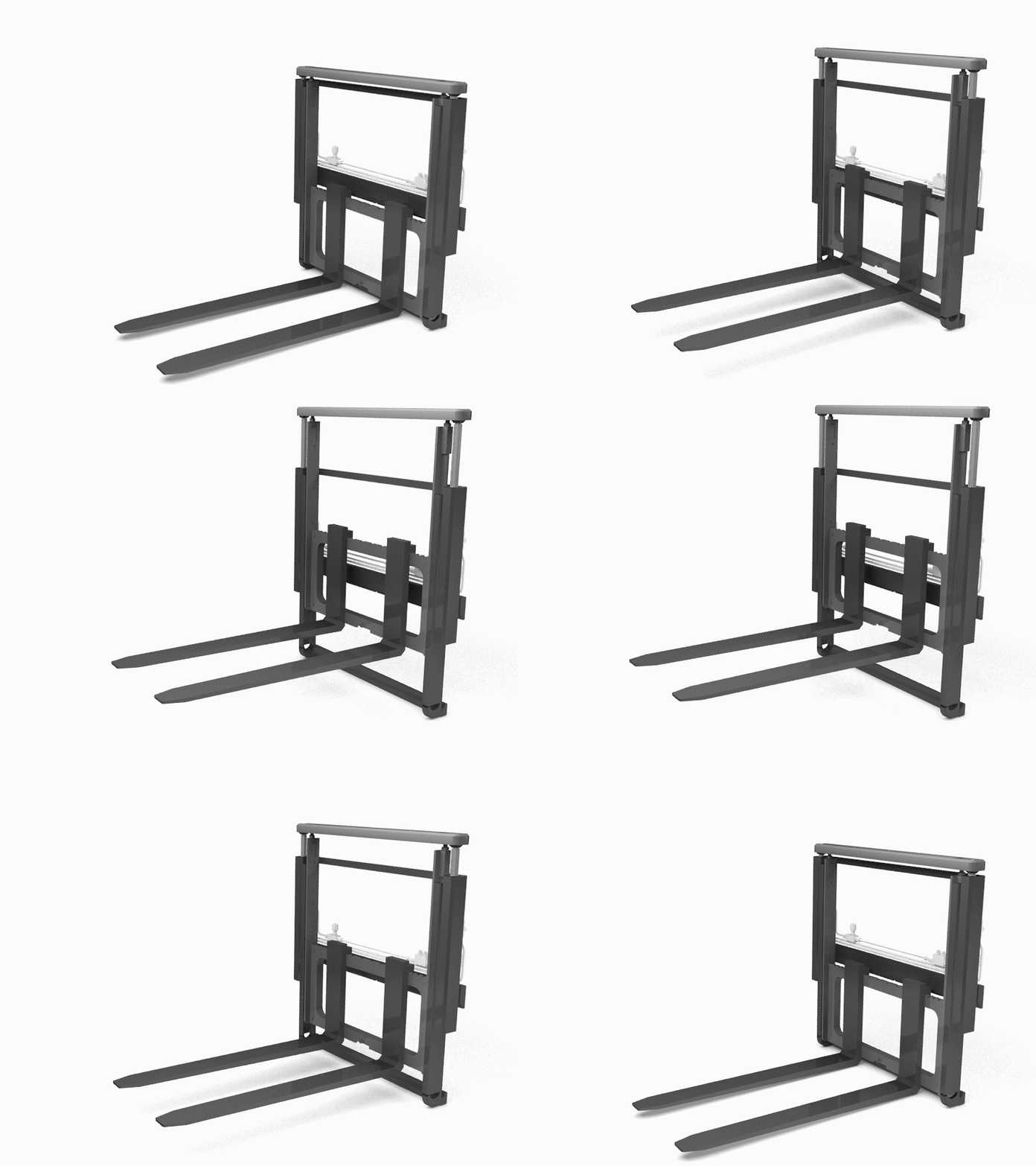
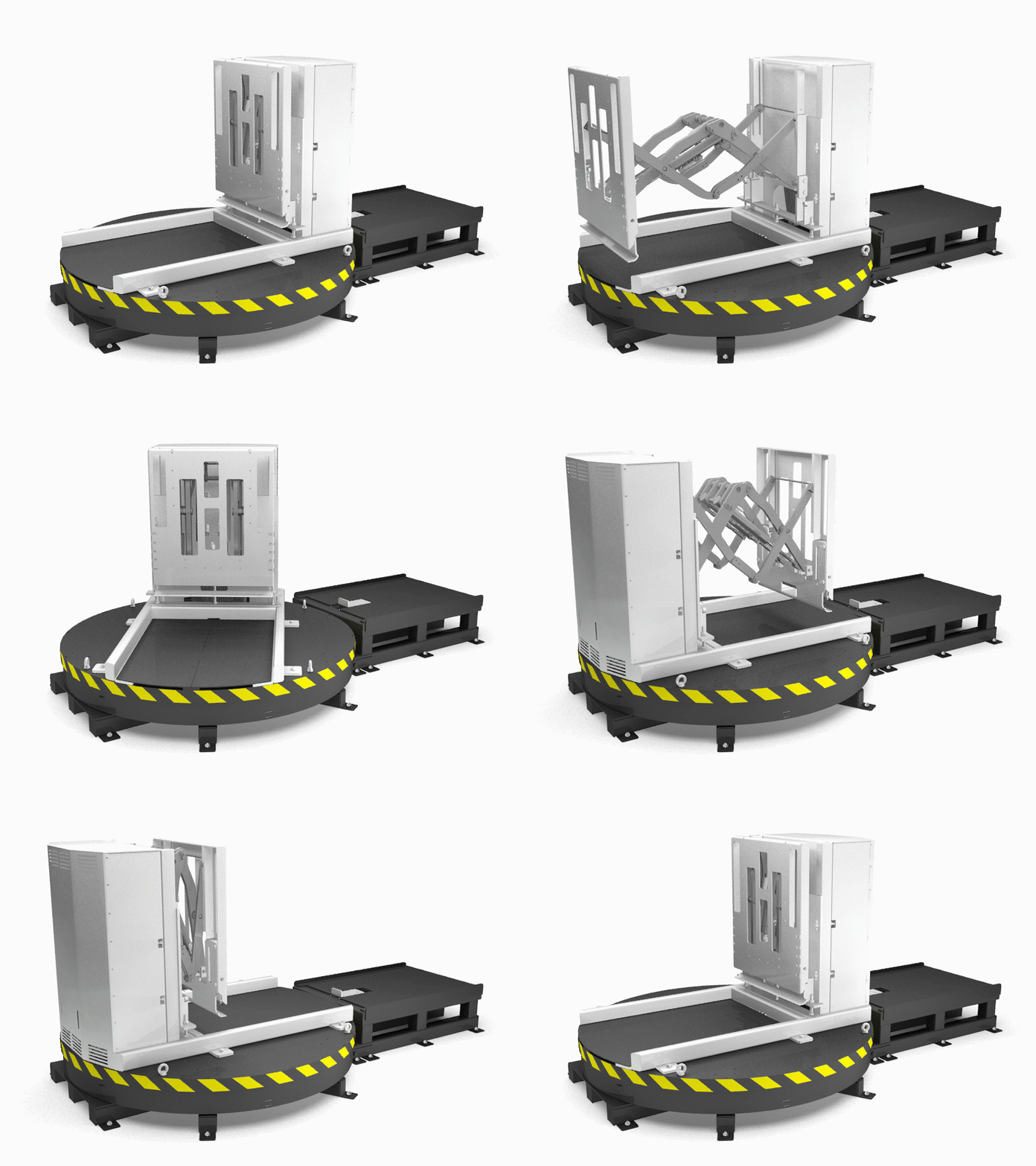











In modern warehouses and production environments, efficient pallet handling is essential for maintaining productivity, safety, and compliance. Yet many facilities still rely on manual pallet transfers, which can be slow, labor-intensive, and risky for employees.
A stationary pallet changer provides a smarter alternative. Instead of manually restacking goods, this system transfers loads horizontally from one pallet to another in seconds.
The KOOI® Stationary Pallet Changer by Meijer Handling Solutions is designed to simplify pallet transfer while improving workplace safety and operational efficiency. With this solution, companies can quickly switch pallets, for example from wood to plastic pallets, without manual handling or product rotation.
In this article, we explain why companies need pallet transfer solutions, how a stationary pallet changer works, and the benefits it brings to modern logistics operations.
Why Companies Need to Change Pallets
Pallet transfer is a common requirement in many warehouses and production facilities. Goods often arrive on pallets that cannot be used within internal operations due to hygiene standards, shipping regulations, or compatibility with storage systems.
Below are some of the most common reasons companies need to change pallets.
Hygiene and Contamination Control
Industries such as food processing, pharmaceuticals, and cosmetics must meet strict hygiene requirements. Wooden pallets can carry bacteria, splinters, or contaminants that make them unsuitable for clean environments.
Regulations such as Hazard Analysis and Critical Control Points (HACCP) and Good Manufacturing Practice (GMP) require facilities to prevent contamination during handling and storage.To comply with these standards, many companies transfer incoming goods from wooden pallets to plastic or aluminum pallets before moving them into production or clean storage areas.
International Shipping and Pallet Standards
Global logistics often requires pallet changes as well. Different regions and industries use different pallet standards, and some countries restrict untreated wooden pallets due to contamination risks.
Companies may therefore need to transfer loads to:
- heat-treated export pallets
- standardized warehouse pallets
- reusable transport pallets
Changing pallets ensures goods can move smoothly through international supply chains.
Compatibility with Warehouse Systems
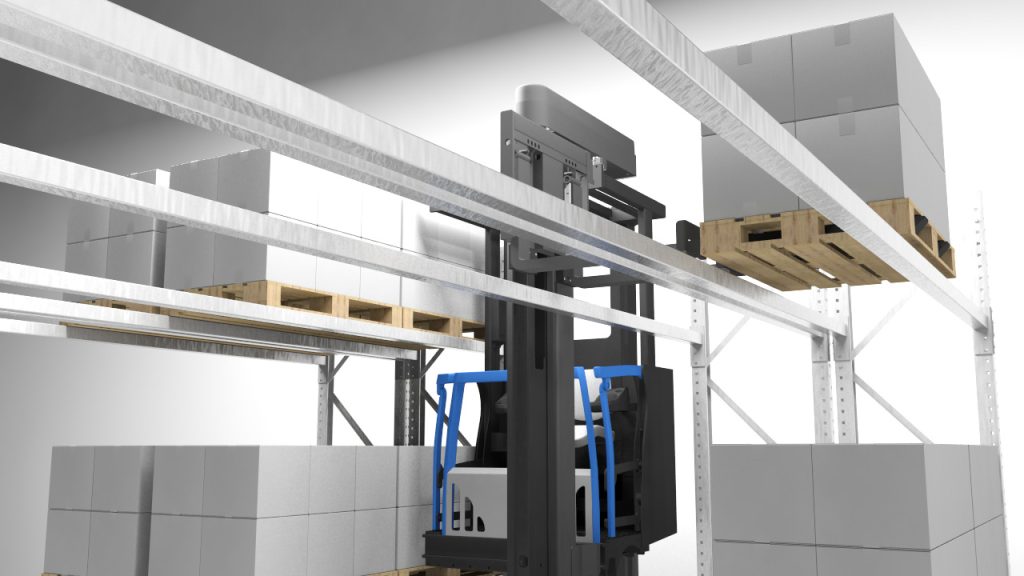
Not every pallet is suitable for automated warehouses or high-density racking systems. Goods may arrive on:
- single-use pallets
- damaged pallets
- pallets with incorrect dimensions
Before these loads can be stored, they must be transferred to stronger or standardized pallets that meet internal requirements.
Reducing Manual Handling and Workplace Injuries
Manual pallet transfers often require employees to lift or restack heavy goods, which can lead to injuries and physical strain.
According to occupational safety studies, lifting heavy loads repeatedly can contribute to musculoskeletal disorders and back injuries in warehouse workers.
By automating pallet transfer, companies can significantly reduce these risks while improving workplace ergonomics.
What Is a Stationary Pallet Changer?
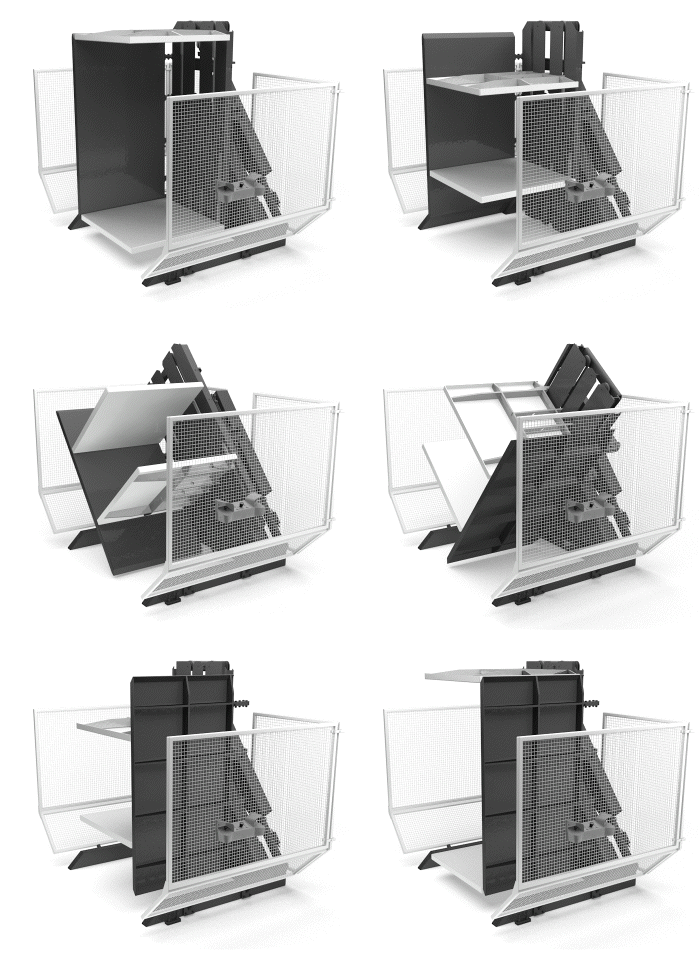
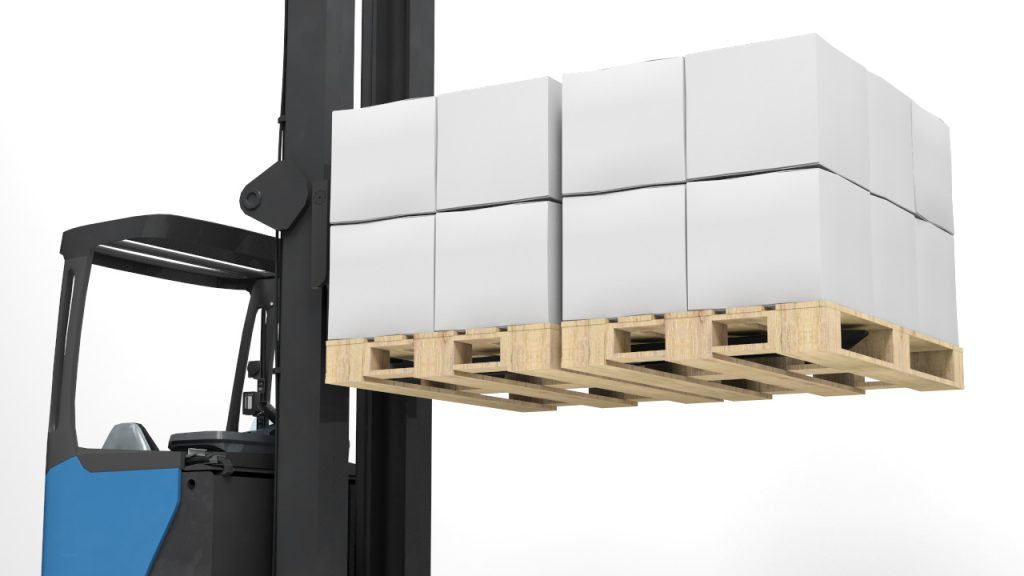
A stationary pallet changer is a machine designed to transfer goods from one pallet to another without manual handling.
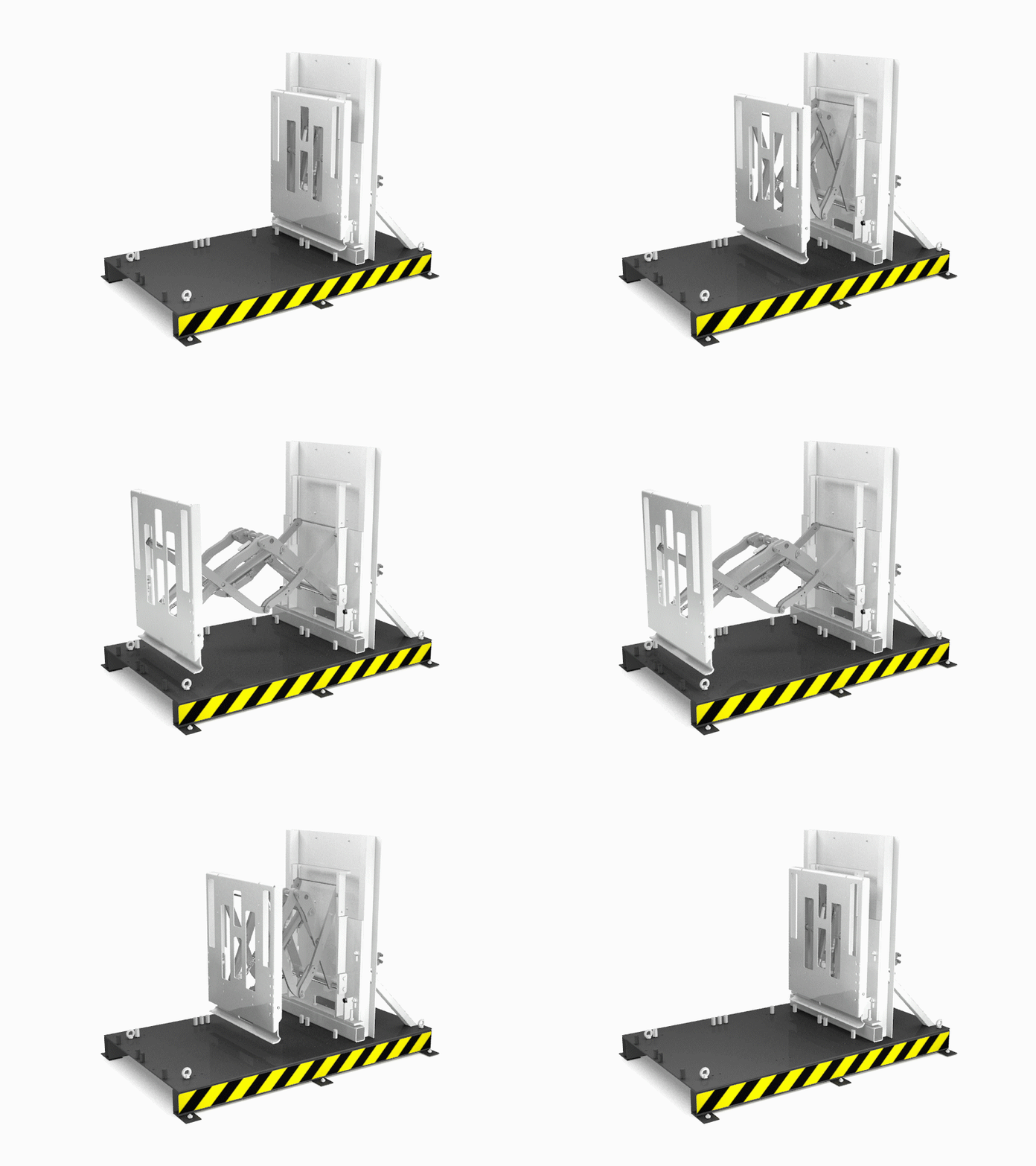
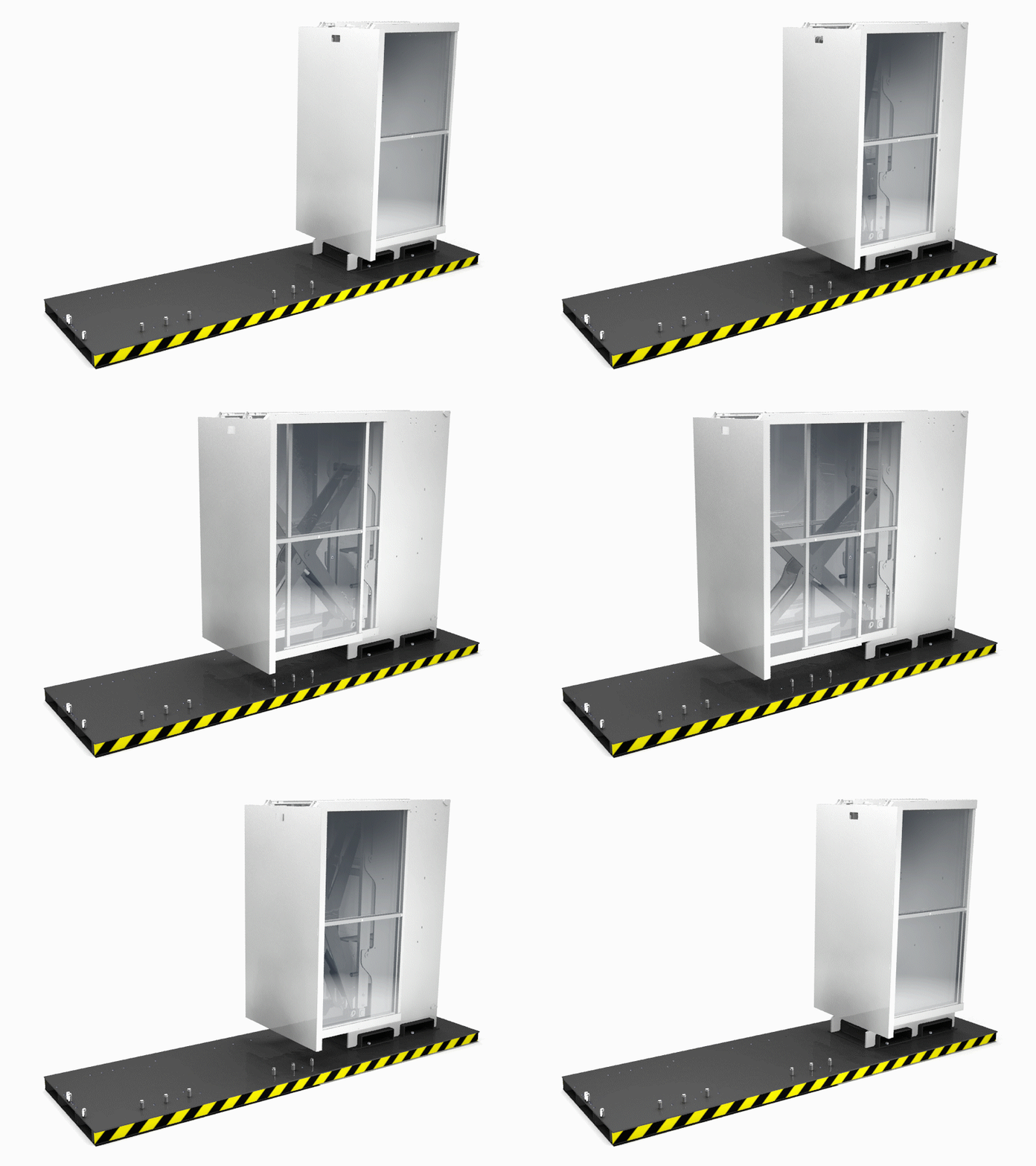
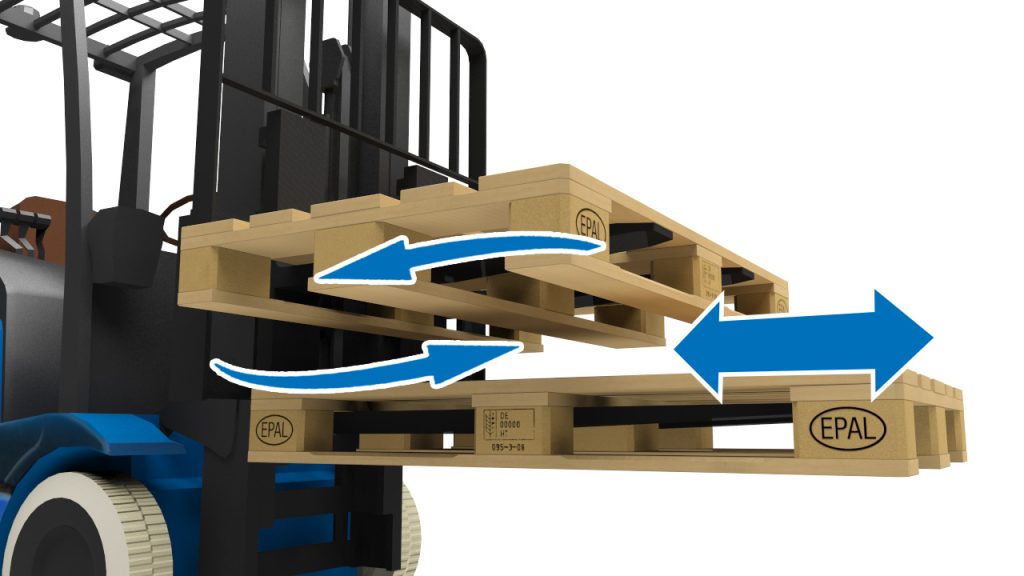
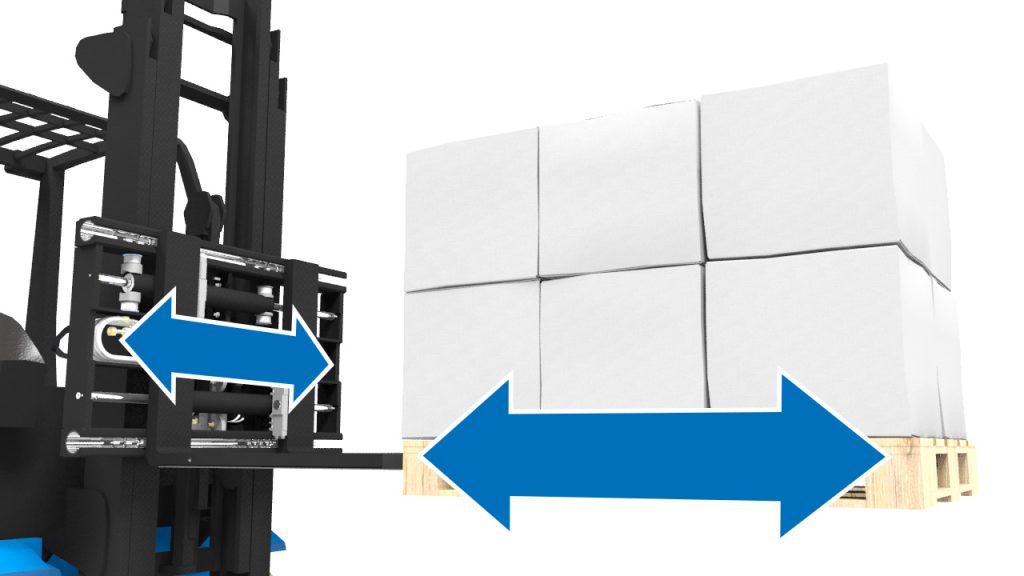
Unlike pallet inverters, which rotate the entire load, a stationary pallet changer moves the load horizontally. This means the goods remain upright during the transfer process.
This method is particularly useful for loads that cannot be tilted or inverted, such as:
- liquids in bottles or containers
- fragile packaged products
- pharmaceutical goods
- boxed consumer products
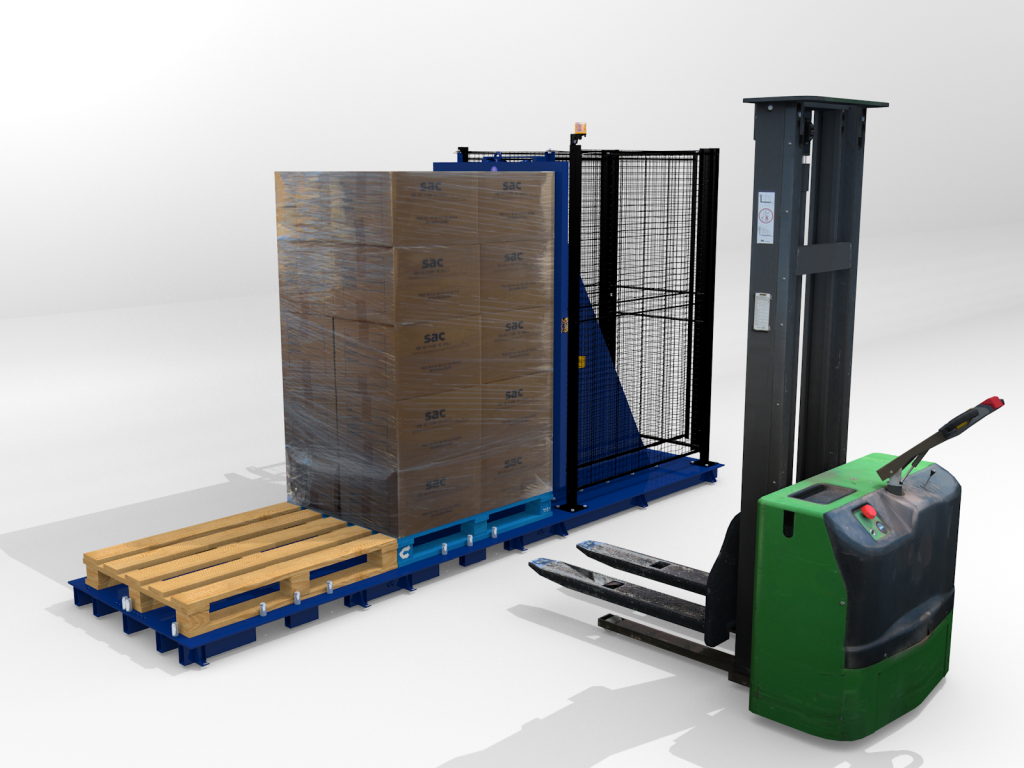
The KOOI® Stationary Pallet Changer transfers the load by gently pushing the goods from one pallet to another using a horizontal sliding mechanism.
The complete pallet transfer cycle takes approximately 30 seconds, allowing warehouses to process pallets quickly and efficiently.
Key Benefits of a Stationary Pallet Changer
Improved Workplace Safety
Safety is one of the main reasons companies adopt automated pallet transfer systems.
Manual pallet changes often require workers to lift heavy loads or manually remove pallets. This increases the risk of injuries and accidents.
With a stationary pallet changer:
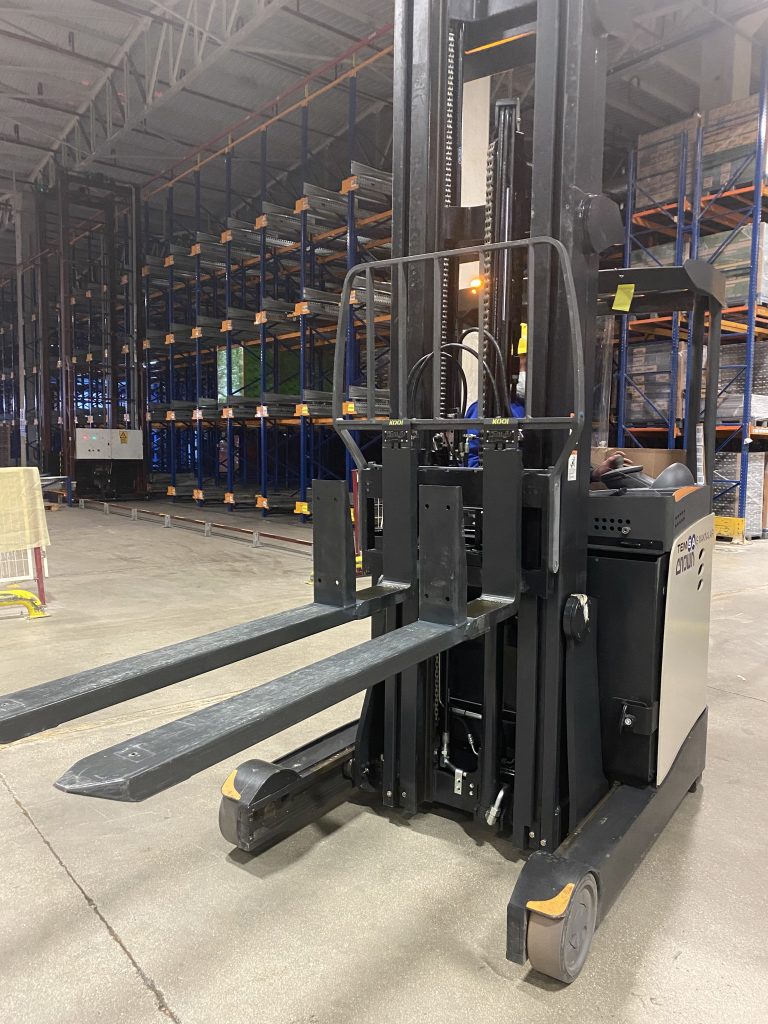
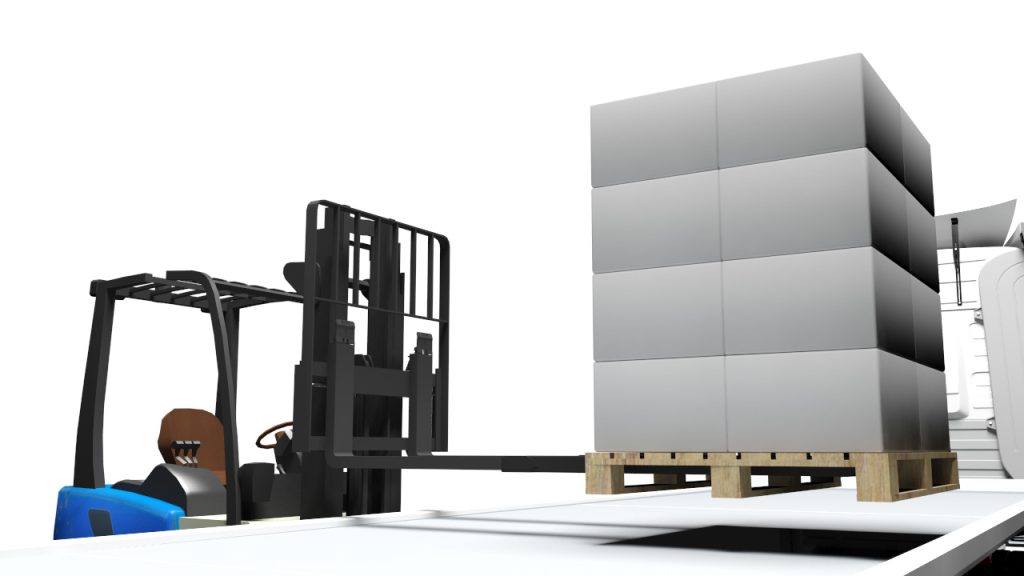
- operators can remain inside the forklift cab
- no manual lifting is required
- the load remains stable during transfer
The KOOI® systems also includessafety features such as warning buzzers and flashing lights to ensure safe operation.
Faster Pallet Handling
Speed is critical in logistics operations where large volumes of goods must be processed daily.
Manual pallet transfers can take several minutes and require multiple workers. In contrast, a stationary pallet changer completes a transfer cycle in about 30 seconds, significantly increasing throughput.
This helps warehouses reduce bottlenecks and maintain efficient workflows.
Better Ergonomics for Workers
Warehouse employees often perform repetitive tasks that involve lifting, bending, or pulling loads.
Automating pallet transfer reduces these physically demanding activities, improving workplace ergonomics and reducing fatigue.
This can lead to higher employee satisfaction and fewer workplace injuries.
Cost Savings in Pallet Management
Plastic pallets are widely used in hygienic environments but are significantly more expensive than wooden pallets.
A pallet changer allows companies to use plastic pallets internally while shipping goods on wooden pallets, preventing expensive pallets from leaving the facility.
This approach helps reduce pallet losses and lowers logistics costs.
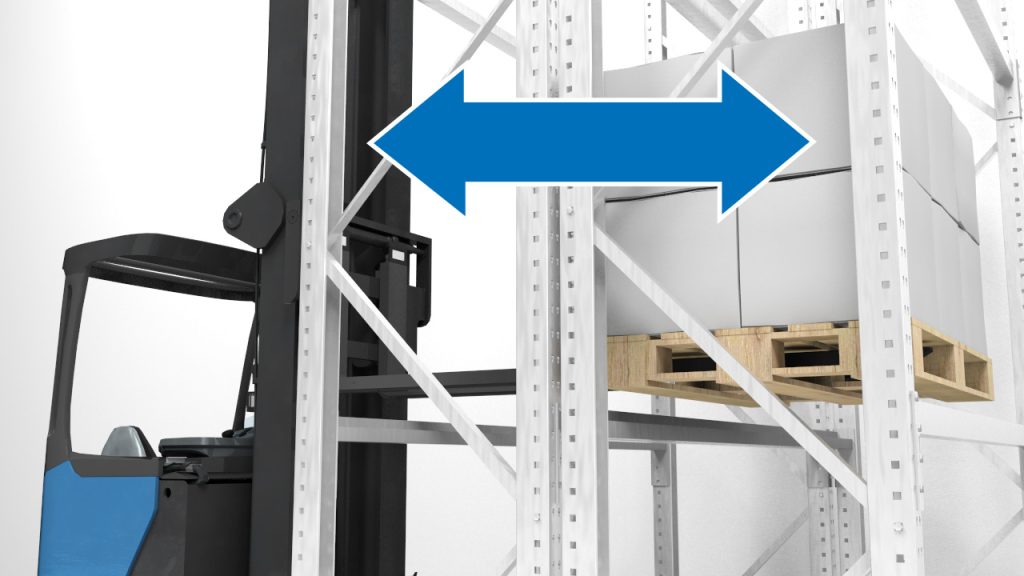
Integration with Automated Systems
The KOOI® Stationary Pallet Changer can also be integrated into automated warehouse systems.
It can work alongside:
- conveyor systems
- pallet dispensers
- automated guided vehicles (AGVs)
This makes it possible to create fully automated pallet transfer hubs that handle large volumes of goods efficiently.
A Reliable Solution for Efficient Pallet Transfer
The KOOI® Stationary Pallet Changer offers a reliable and efficient way to transfer goods between pallets without manual handling.
Key features include:
- pallet transfer in approximately 30 seconds
- horizontal load movement without rotation
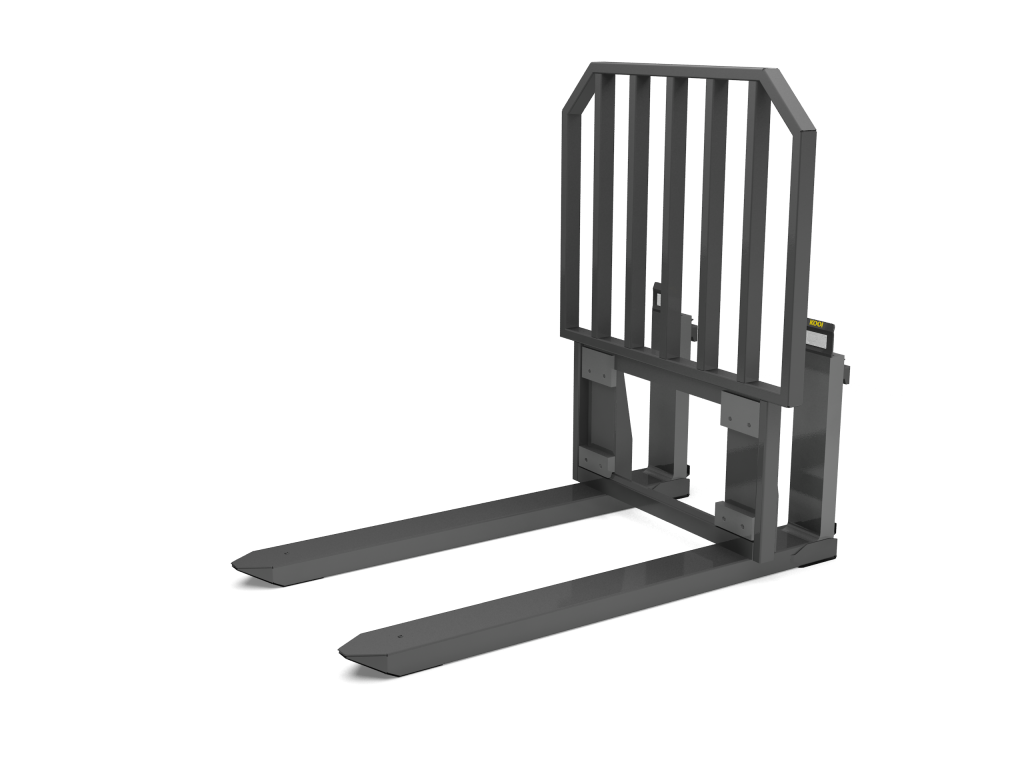
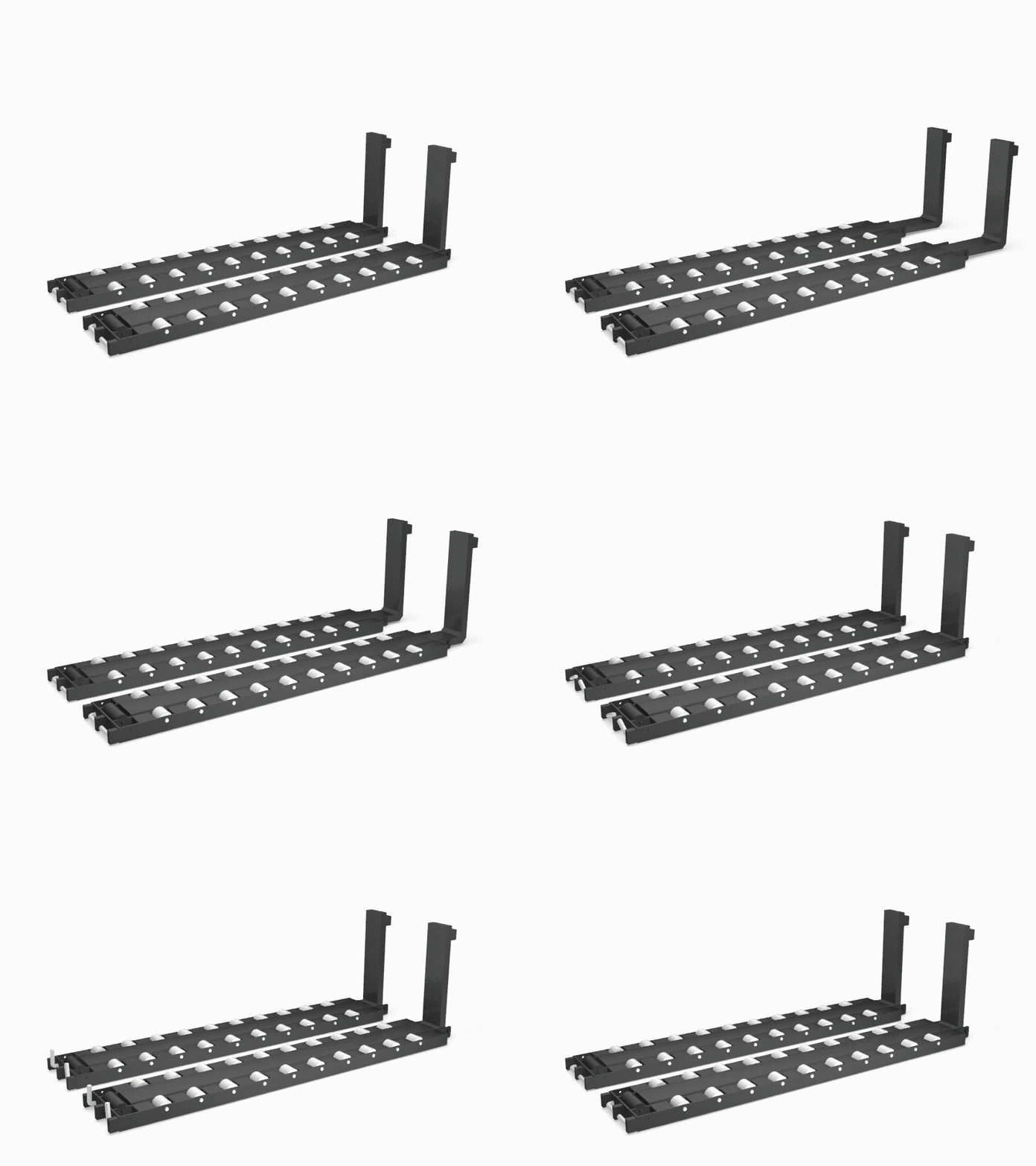
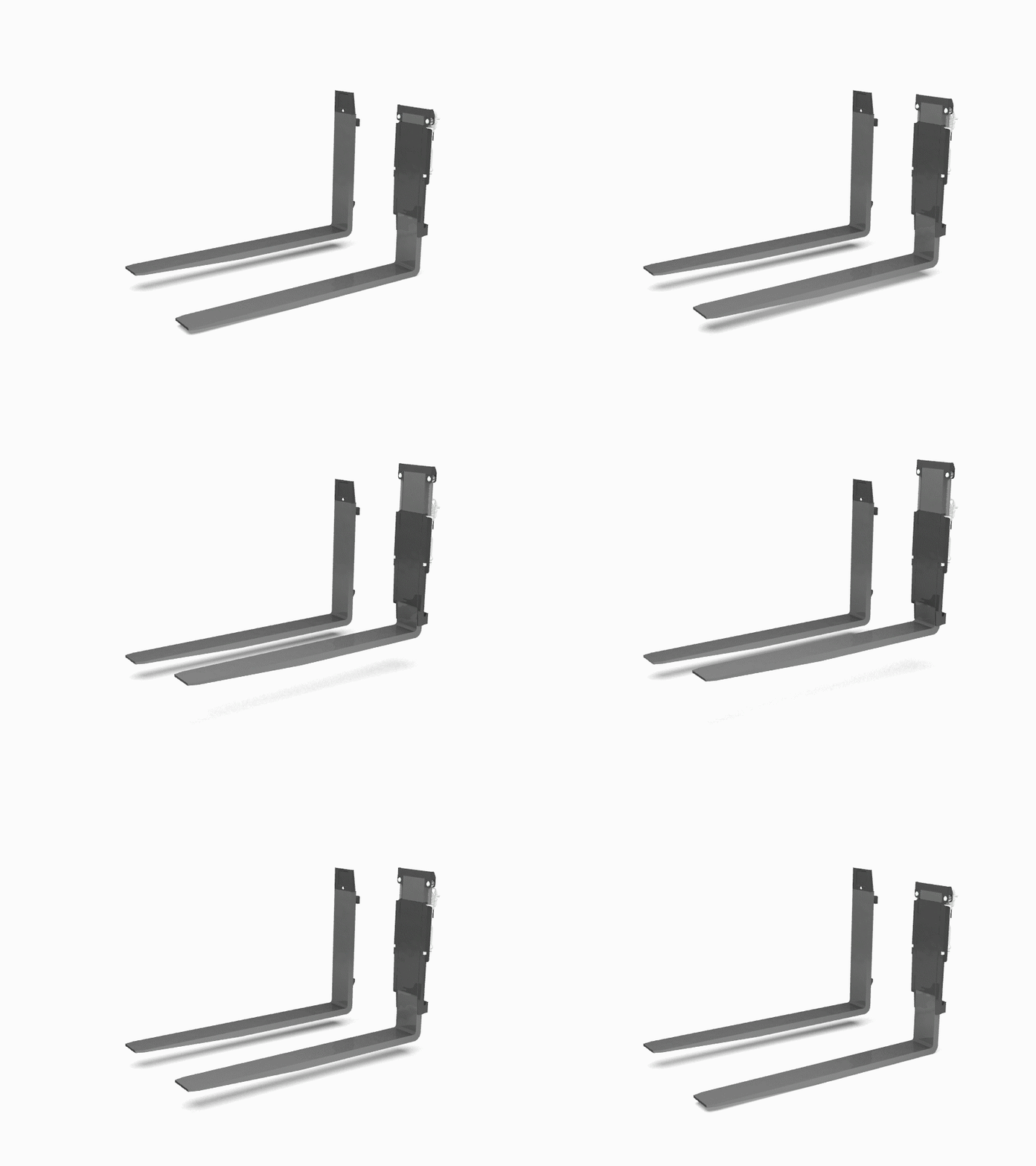
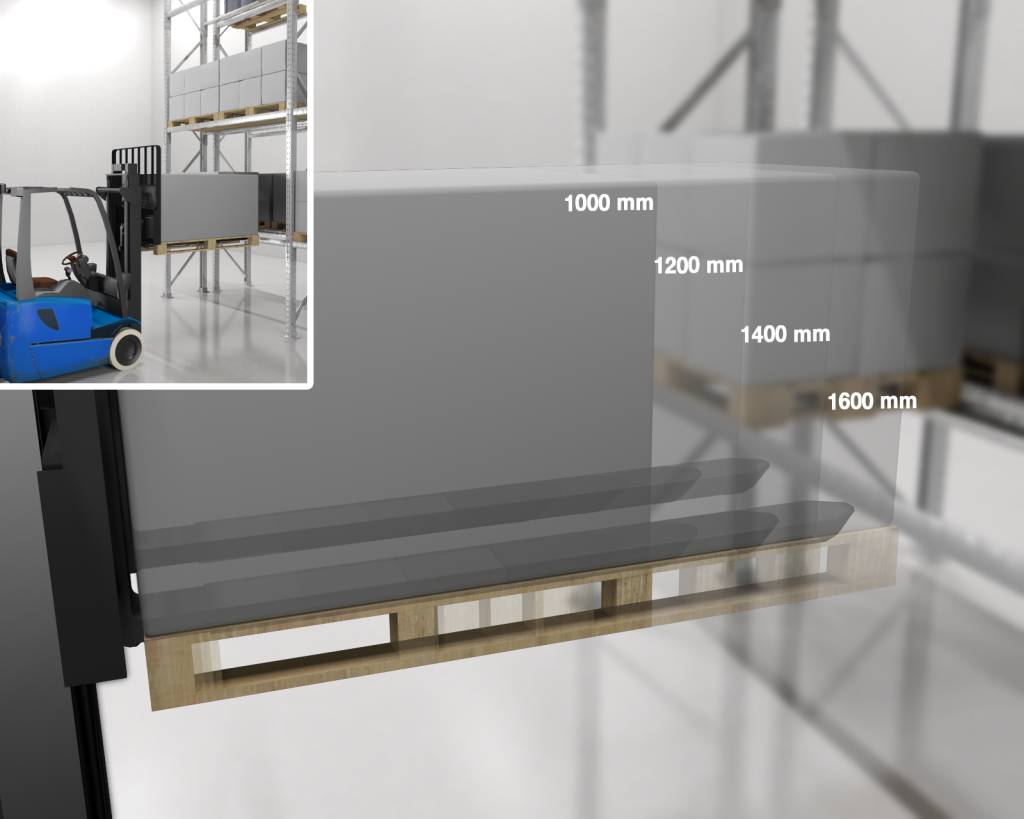
- operation with forklifts or pallet trucks
- ground-level pallet handling
- advanced safety features
By simplifying pallet transfer, this solution helps warehouses improve productivity while maintaining safe and hygienic operations.